
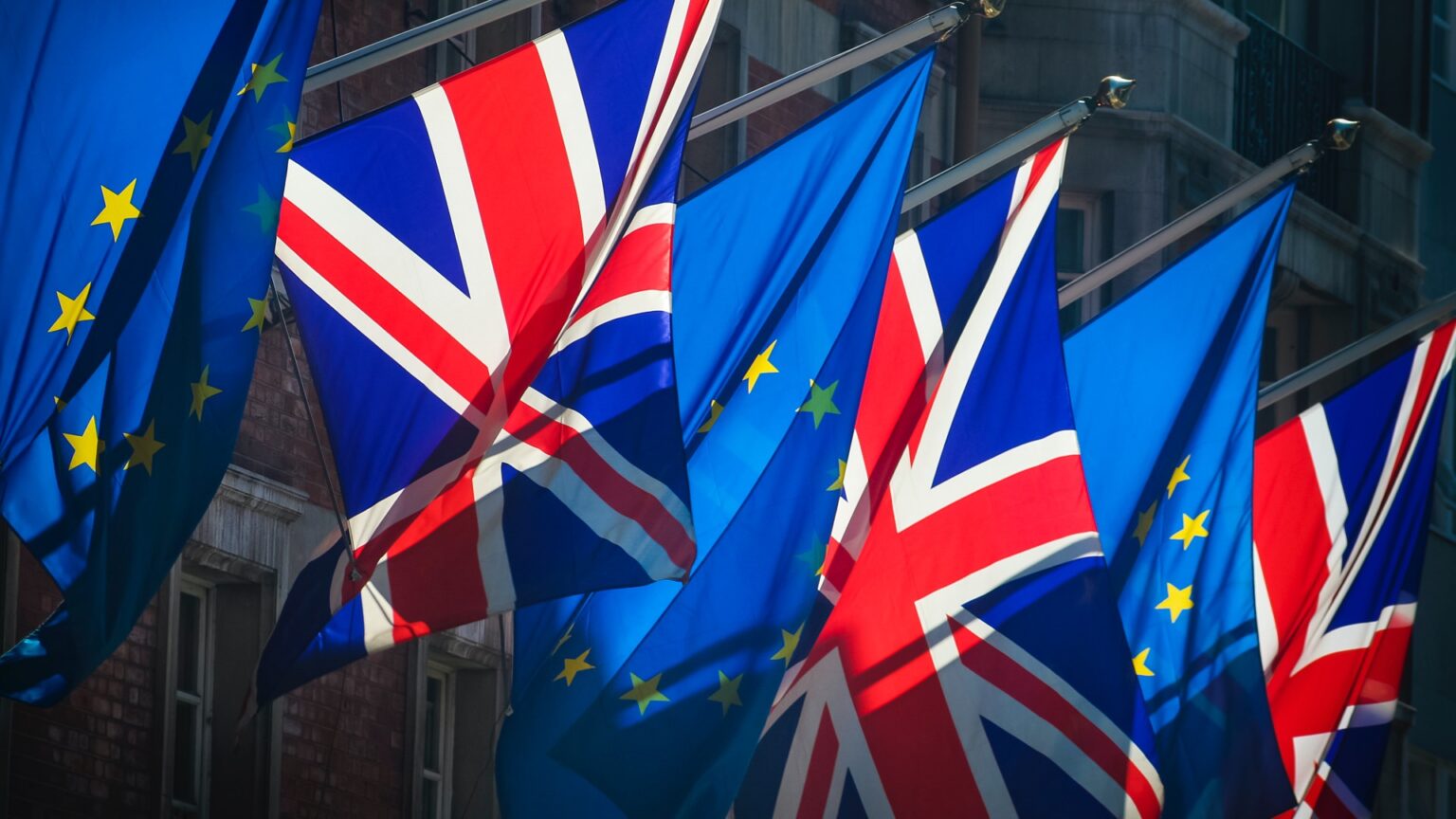
We resume one of this year’s “hot columns,” the Brexit process, which is experiencing some unexpected developments these days.
Let us summarize to the bone the chronology of the main events of the previous episodes(1 | 2 | 3 | 4):
- June 2016: referendum on Brexit
- March 2017: formal notification of Brexit
- June 2017: start of Brexit negotiations
- November 2018: provisional agreement on Brexit
- October 2019: new agreement on Brexit
- January 2020: approval of the new agreement and start of the Brexit process
- March 2020: start of negotiations on post-Brexit relations
We had left off ahead of the new round of negotiations the eighth (September 8-10, 2020). The round has been marked by considerable friction between the positions of the European Union and the United Kingdom, which remain distant even as the final end of the transitional period approaches: as of December 31, the United Kingdom will no longer be, for all intents and purposes, a member of the European Union.
The tensions of this round of negotiations have been marked:
- by the political position of Prime Minister Boris Johnson, who on Sept. 7 issued an ultimatum for the conclusion of negotiations by Oct. 15, reiterating as satisfactory the option of a “no deal.”
- by the presentation (on Sept. 9) of an “internal marketbill,” a proposed law that would regulate the movement of goods within the United Kingdom (including Northern Ireland) in partial violation of commitments made in the agreement.
This proposal has been strongly criticized by many British and international observers (e.g., 1 | 2) as it would set a dangerous precedent in international relations and EU-UK relations; however, it was recently approved by the House of Commons, further complicating the already intricate picture.
Such criticism has already led to some proposals to amend the internal market bill, but the possibility of a “no deal” and a clash(including a judicial one) between the EU and the UK is becoming much more concrete.
We had summarized the possible effects of the on European projects here: all that remains is to prepare for all scenarios.