Participating in a European call for proposals does not always require an organization: opportunities for informal groups and individuals
European funds, talent and active citizenship
In the Guide we often talk about the accessibility of European funds for less structured entities, such as small organizations(here) and small municipalities(here), with the aim of showing how European projects are not meant only for large organizations and institutions.
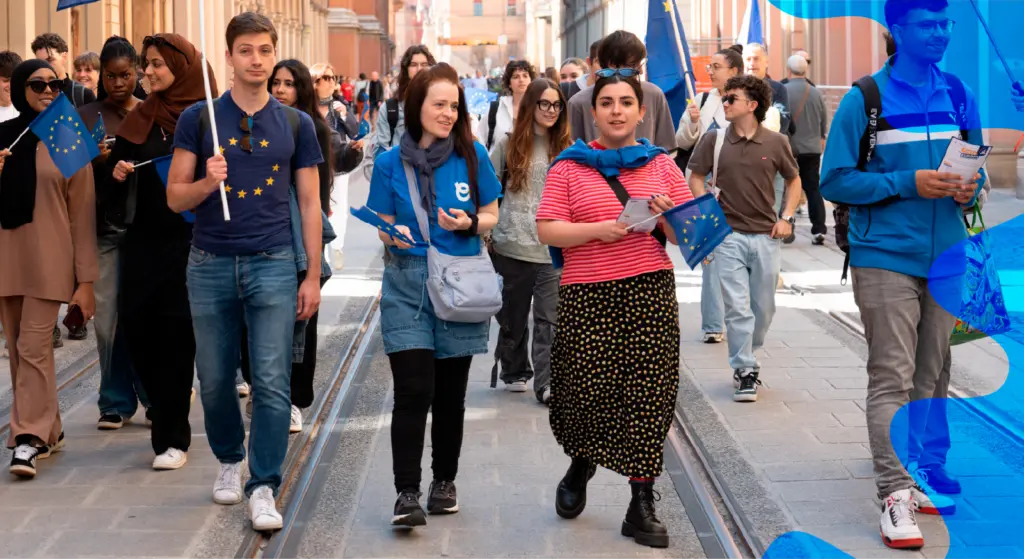
European calls for proposals also include a whole ecosystem of opportunities designed for those who do not have a legal personality at all, such as informal youth groups and individuals. This openness helps to “democratize” access to resources, and makes European calls for proposals a suitable tool for anyone with a good idea, talent and a desire to get involved.
Let us explore these opportunities together in a brief review.
European calls for informal groups: the opportunities
First, it should be remembered that there is no single definition of “informal group” within the European fund landscape. Each program uses very specific definitions, concerning, for example, the minimum number and age of individuals. However, the common characteristic is that they are not part of a legally constituted body.
Programs such as Erasmus+ and the European Solidarity Corps explicitly recognize the capacity of spontaneous groups of citizens to generate social impact, allowing them to manage budgets for youth exchanges or local solidarity initiatives.
The Erasmus+ Program places informal groups of young people at the center of its civic participation strategy. Under the program, informal groups are defined as groups consisting of at least 4 young people between the ages of 13 and 30, as specified in the program guide. The main pathways available under the program relate to Key Action 1, “Individual Mobility for Learning Purposes,” and are:
- Civic engagement from below: youth participation activities. An action designed to support and strengthen youth civic engagement by raising awareness of common EU values and fostering dialogue between young people and policy makers (decision-makers). You can choose to act locally/nationally (e.g., to test an idea for the first time) or collaborate with other informal groups from other European countries. Recognizing the complexity in managing a project, Erasmus+ allows informal groups to be paired with a coach, i.e., a professional figure who supports the group in the development and implementation of the initiative, which is particularly useful in fostering the inclusion of young people with fewer opportunities.
- Learning through meeting: youth exchanges. This action allows groups of young people from different countries to meet for a period of 5 to 21 days to address social, cultural or environmental issues. The exchange is not a study vacation, but a nonformal learning experience, that is, outside the traditional school system. Projects can last from 3 to 24 months. It is an ideal option for those experiencing the program for the first time or wanting to implement a one-time initiative.
- Discovering Europe with DiscoverEU: Among the most open and popular actions of the Erasmus program, two are dedicated to young people and discovering Europe. DiscoverEU targets individual 18-year-olds; DiscoverEU for Inclusion opens its doors to informal groups that want to support young people aged 18-21 with fewer opportunities. For both, the goal is to explore Europe through the experience of train travel, ensuring specific support to discover the Union on an equal footing with their peers.
Another program with ample opportunities for informal groups is the European Solidarity Corps, one of the most “bottom-up” and accessible programs. As explained in detail in the program guide, “Solidarity Projects” offer the opportunity for informal groups of at least 5 young people (18-30 years old) to become active, for a period of between 2 and 12 months, through nonformal learning experiences, taking responsibility and committing to making positive changes in the local community. Again, a coach can be activated to guide the group.
Opportunities for researchers, artists, and young entrepreneurs
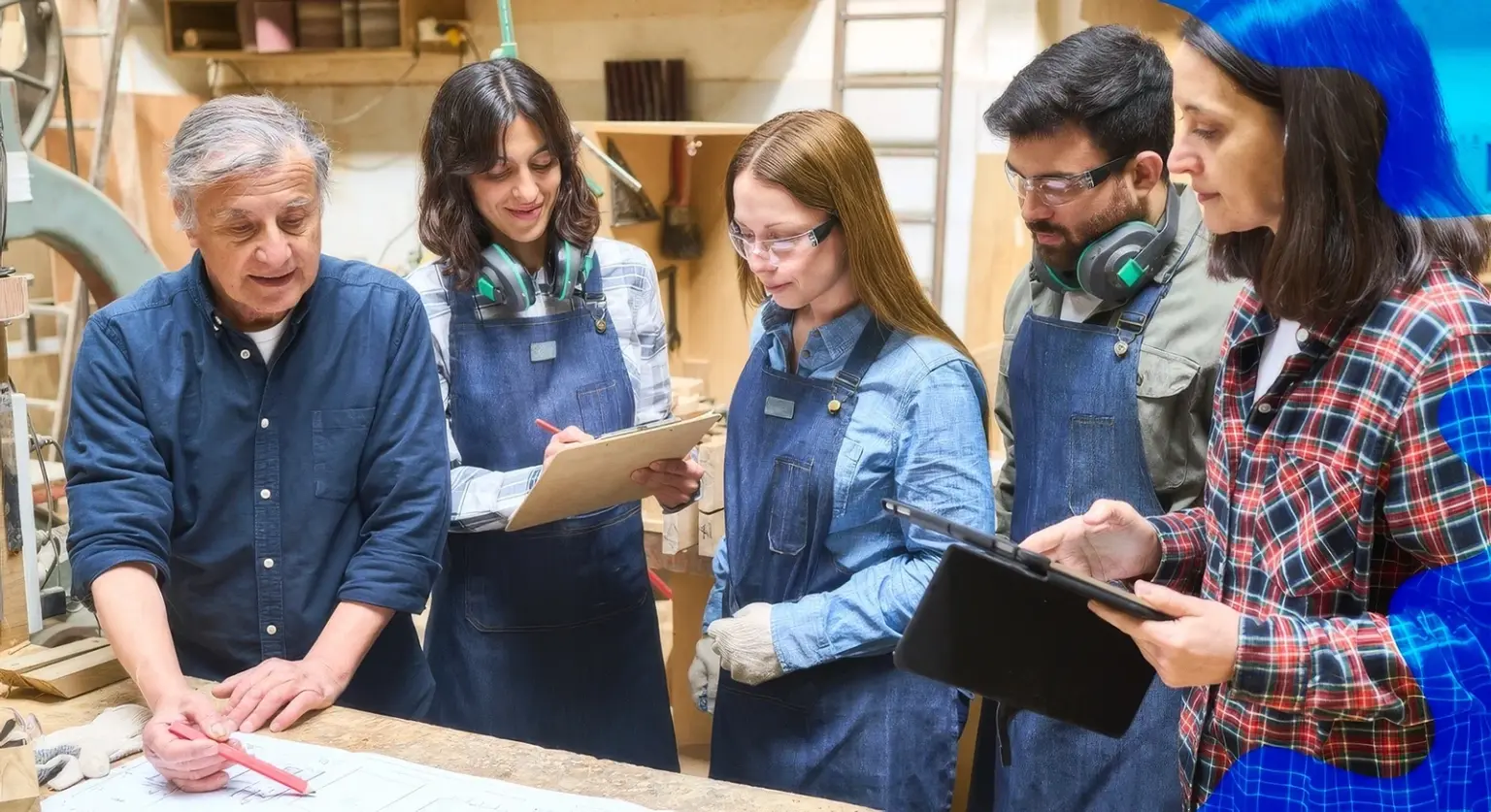
In addition to programs with calls open to informal groups, there are several funding opportunities for individuals. Aimed at people with a specific professional background, such as artists, researchers and entrepreneurs, they can be true “career accelerators.”
- Culture Moves Europe: part of the larger Creative Europe program, this action supports the international mobility of individual artists and cultural professionals. Managed by the Goethe-Institut, the call is open to individuals or groups (up to 5 people) of legal age and residing in one of the 40 countries covered by Creative Europe. Eligible sectors range from architecture to cultural heritage, design to literature, visual arts to music and performing arts. Opportunities are open to both emerging talent and established professionals. The goal is to carry out a specific project in another program country with an international partner (an organization or other professional).
- Marie Skłodowska-Curie Actions (MSCA): are one of the pillars of Horizon Europe and are the European Union’s main funding program for doctoral and postdoctoral training. MSCAs aim to support researchers at every stage of their careers (from PhD students to experienced researchers) by fostering mobility between countries, sectors and disciplines. The goal is to develop scientific talent, promote research excellence and strengthen innovation in Europe. The program consists of several specific actions, from doctoral fellowships to researcher and staff fellowships, as well as co-funding existing doctoral programs and postdoctoral fellowships. Key features are geographic mobility (researchers must move to another European country), the bottom-up approach, whereby the program is open to all fields of research and innovation, and the emphasis on collaboration between academia and business.
- Erasmus for Young Entrepreneurs: Erasmus for Young Entrepreneurs (EYE) is a transnational exchange program funded by the European Union that offers new or aspiring entrepreneurs the opportunity to learn the secrets of the trade from established professionals running small or medium-sized businesses in another participating country. Exchanges range in duration from one to six months. Access to the program is through a matching platform that requires uploading a CV and Business Plan. It is also necessary to select an intermediary organization (often Chambers of Commerce or incubators) to serve as a guide in the process, and to select a host entrepreneur who is considered akin in terms of industry or goals.
European opportunities for informal groups and individuals mark an increased focus by Europe on active citizenship, as well as a desire to directly support talent in the arts and sciences. For less structured entities or individual talent, these measures represent a lesser-known but often much more accessible gateway to the world of European projects.